
Shut Down Demonic Deception Before It Becomes a Stronghold: How to Wear Armor of God
Rick Renner

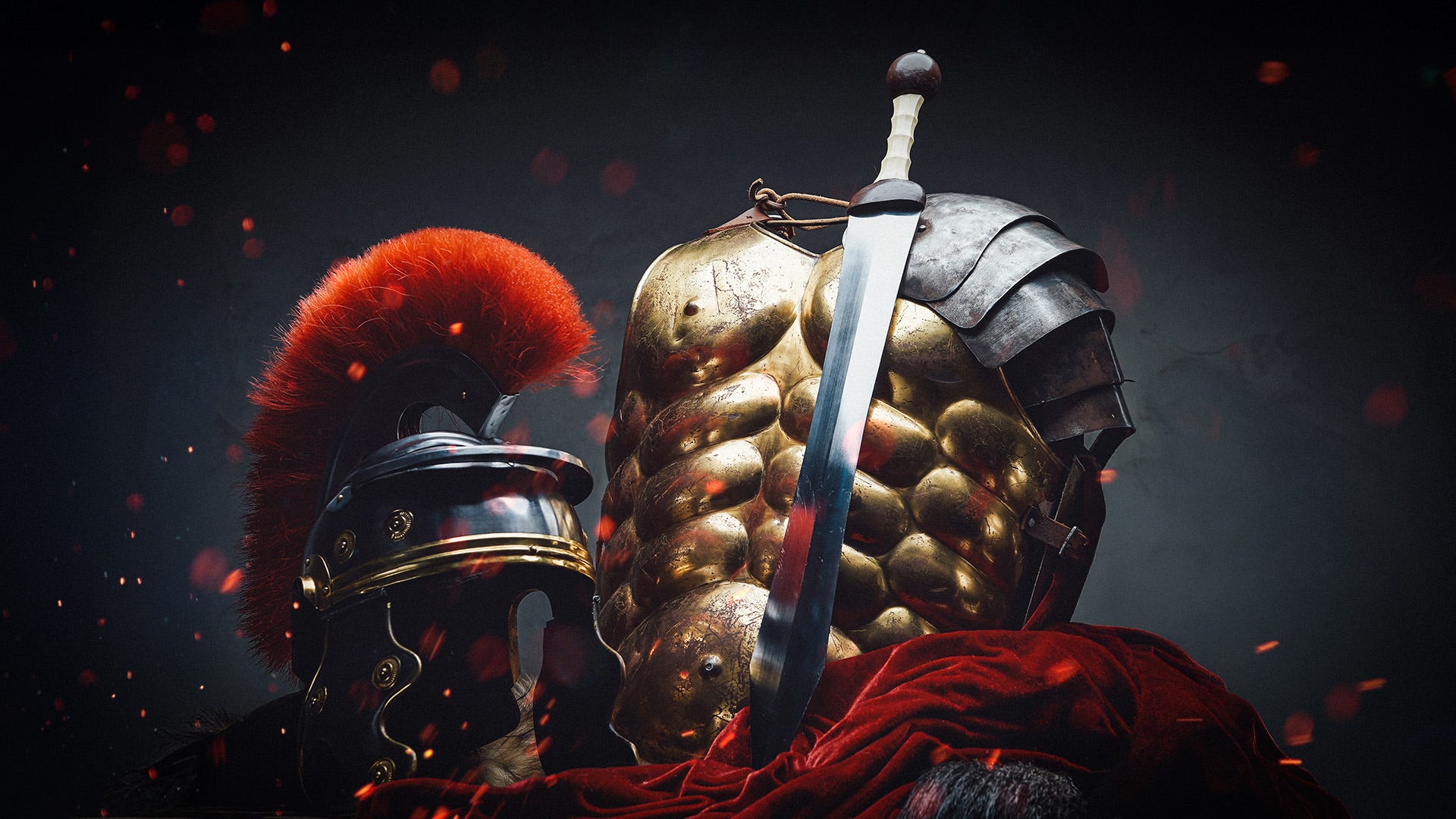
Excerpted from Dressed to Kill.
With God’s mighty, supernatural kratos power at our disposal, we are now ready for battle.
We can commence our successful confrontation with unseen demonic spirits that come to wage war against the flesh and the soul!
For this reason, Paul goes on to tell us, “Put on the whole armour of God, that ye may be able to stand against the wiles of the devil” (Ephesians 6:11).
Later we’re going to discuss at great length the wiles, devices, and deception of the devil. But first, let’s talk about the phrase “whole armor.” That phrase is taken from the Greek word panoplia, and it refers to a Roman soldier who is fully dressed in his armor from head to toe. Since this is the example Paul puts before us, we must consider the full dress, the panoplia, of the Roman soldier.
Because of Paul’s many imprisonments, this was an easy illustration for him to use. Standing next to these impressive-looking soldiers during his prison internments, Paul could see the Roman soldier’s loinbelt; huge breastplate; brutal shoes affixed with spikes; massive, full-length shield; intricate helmet; piercing sword; and long, specially tooled lance that could be thrown a tremendous distance to hit the enemy from afar.
The Roman soldier of New Testament times wore all seven pieces of this armor. These pieces of weaponry, which include both offensive and defensive armor, can still be found in our museums today.
First of all, the Roman soldier wore a loinbelt. Although it was the least impressive and most commonplace piece of weaponry that the Roman soldier wore, it was the central piece of armor that held all the other parts together. For instance, the loinbelt held the breastplate in place; the shield rested on a clip on one side of the loinbelt; and on the other side was another clip on which the Roman soldier hung his sword when it wasn’t in use.
This first piece of armor was so ordinary that no soldier would have written home to tell his family about his new loinbelt. Yet the loinbelt was the most important piece of weaponry the Roman soldier owned because of its importance to the other pieces of armor. Without it, the other pieces of weaponry would have fallen off the soldier!
The Roman soldier also wore a second weapon — a magnificent and beautiful breastplate. The breastplate of the Roman soldier was made out of two large sheets of metal. One piece covered the front of the soldier, and the other piece covered his back; then these two sheets of metal were attached at the top of the soldier’s shoulders by large brass rings. Frequently these metal plates were comprised of smaller, scale- like pieces of metal, causing the surface of the breastplate to look very similar to the scales of a fish. Later on, the breastplate was most often referred to as a “coat of mail.”
This heavy piece of weaponry began at the bottom of the neck and extended down past the waist to the knees. From the waist to the knees, it took on the resemblance of a skirt. The breastplate was by far the heaviest piece of equipment that the Roman soldier owned. Depending upon the physical stature of the soldier, this piece of equipment could weigh in excess of 40 pounds! In First Samuel 17:5, we are told that Goliath’s breastplate weighed “five thousand shekels of brass” — or the equivalent of 125 pounds!
In addition to this beautiful coat of mail, the Roman soldier also wore a third weapon — a pair of very dangerous shoes. These shoes were not like the Roman sandals that people wear today, which are merely a flimsy little piece of twine wrapped around the heel and the toe. The shoes that the Roman soldier wore were primarily made of two pieces of metal.
The first piece of the Roman shoe was called a greave. This was a piece of bronze or brass that had been wrapped around the soldier’s lower legs. Beginning right at the top of the knee, it extended down past the calf of the leg and rested on top of the foot. Because this tube-like piece of metal covered the lower leg of the soldier, the Roman soldier’s shoes looked like boots that were made of brass!
In addition, the top, sides, and bottom of the foot were encased in a very thick piece of heavy metal. On the bottom, the Roman soldier’s shoes were affixed with extremely dangerous spikes. The spikes on the bottom of a civilian soldier’s shoes were approximately one inch long. If, however, the soldier was involved in active combat, the spikes on the bottom of his shoes could be between one and three inches long! These shoes, which Paul amazingly calls “shoes of peace” in Ephesians 6:15, were intended to be “killer shoes.”
The Roman soldier also carried a fourth important weapon — a large, oblong shield. This massive shield was made of multiple layers of animal hide that were tightly woven together and then framed along the edges by a strong piece of metal or wood.
The fifth weapon that the Roman soldier wore was his helmet. This all-important piece of armor, which protected the soldier from receiving a fatal blow to the head, sometimes weighed 15 pounds or more.
Whereas the breastplate was the most beautiful piece of weaponry the Roman soldier possessed, the helmet was the most noticeable. It would have been very difficult to pass by a Roman soldier without noticing his helmet!
The sixth weapon of the Roman soldier was his sword. Although there were many kinds of swords during that time in history, the sword that the Roman soldier carried was one specifically designed for thrusting to inflict a deadly wound on an adversary or foe.
Finally, the Roman soldier also carried a seventh weapon — a specially tooled lance designed to strike the enemy from a distance.
Most have not recognized the presence of the lance in Ephesians 6:10-18 because it isn’t specifically stated. But the lance must be present in the text, because we are told to “put on the whole armour of God ”
There is no doubt that the lance was a part of the whole armor of the Roman soldier. In order for Paul to carry through on this illustration of the “whole armor of God,” it would have been absolutely necessary for him to include the lance in this text. You’ll see that the lance is indeed a very important part of “the whole armor of God.”
A New Set of Clothes
These weapons are clearly taken from Paul’s mental picture of a Roman soldier who is dressed in full armor — a soldier who is dressed to kill! Having set this example before us, Paul now gives us a powerful word of instruction. He says, “Put on the whole armour of God, that ye may be able to stand against the wiles of the devil” (Ephesians 6:11).
Especially notice that Paul says, “Put on…” The phrase “put on” is taken from the Greek word enduo.
The word enduo is frequently used throughout the New Testament. In fact, it is the exact word Luke used when he recorded Jesus saying, “And, behold, I send the promise of my Father upon you: but tarry ye in the city of Jerusalem, until ye be endued with power from on high” (Luke 24:49).
The word enduo refers to the act of putting on a new set of clothes. In light of this, one expositor has properly translated Luke 24:49: “ But tarry ye in the city of Jerusalem until ye be clothed with power from on high.”
Paul used the word enduo throughout his writings to symbolically depict the “putting on” of the new man. In both Ephesians 4:24 and Colossians 3:10, he urges us to “put on the new man.” By using the word enduo in these two particular passages, Paul tells us we can “put on” the fruit of our new life in Christ in the same way we might put on a brand-new set of clothes.
Now Paul uses the word enduo in Ephesians 6:11 in this same way — to denote the act of putting on a new set of clothes. However, this time he uses this word in connection with spiritual armor. He instructs us to “put on the whole armour of God…”

How Do You Put On the Whole Armor of God?
Paul describes this weaponry as “the whole armour of God.” Especially notice the phrase “of God.” This little phrase is taken from the Greek phrase tou theo, and it is written in the genitive case.
Simply put, this means our supernatural set of weaponry comes directly from God. God Himself is the Source of origin for this armor. Thus, the verse could be accurately translated, “Put on the whole armor that comes from God…”
